What happens
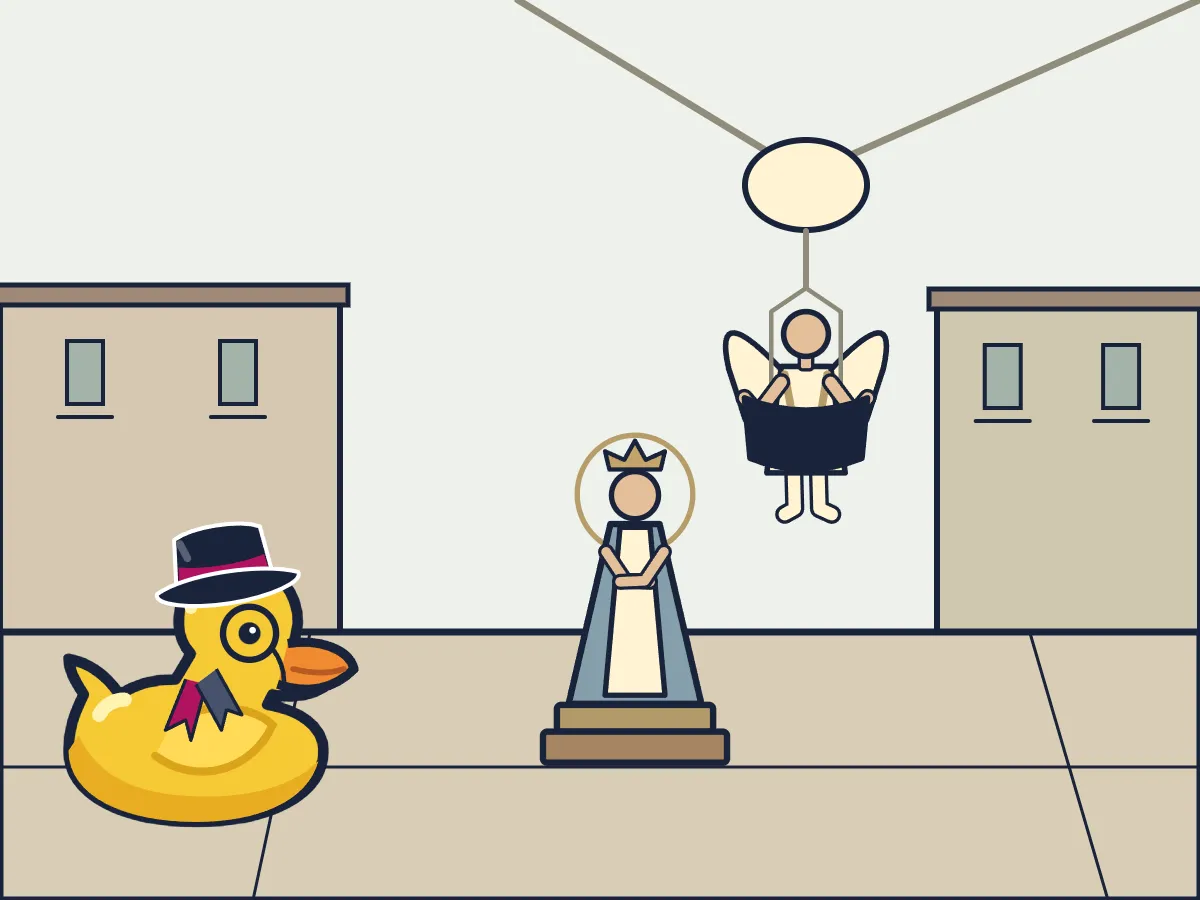
Tudela’s Easter pair works through a change of mood. On Holy Saturday, the Volatín is a wood-and-cloth figure whose dramatic buffeting ends in destruction. On Easter Sunday, a child dressed as an angel descends to the image of the Virgin and removes the black veil of mourning. The second act announces the joy of the Resurrection.
National tourism lists 27–28 March 2027 for the next edition. These are two separate ceremonies on successive days, not an attraction running throughout a weekend. Stay for both if you want the contrast, and confirm each gathering time in the city’s final Easter programme.
Understanding the Volatín
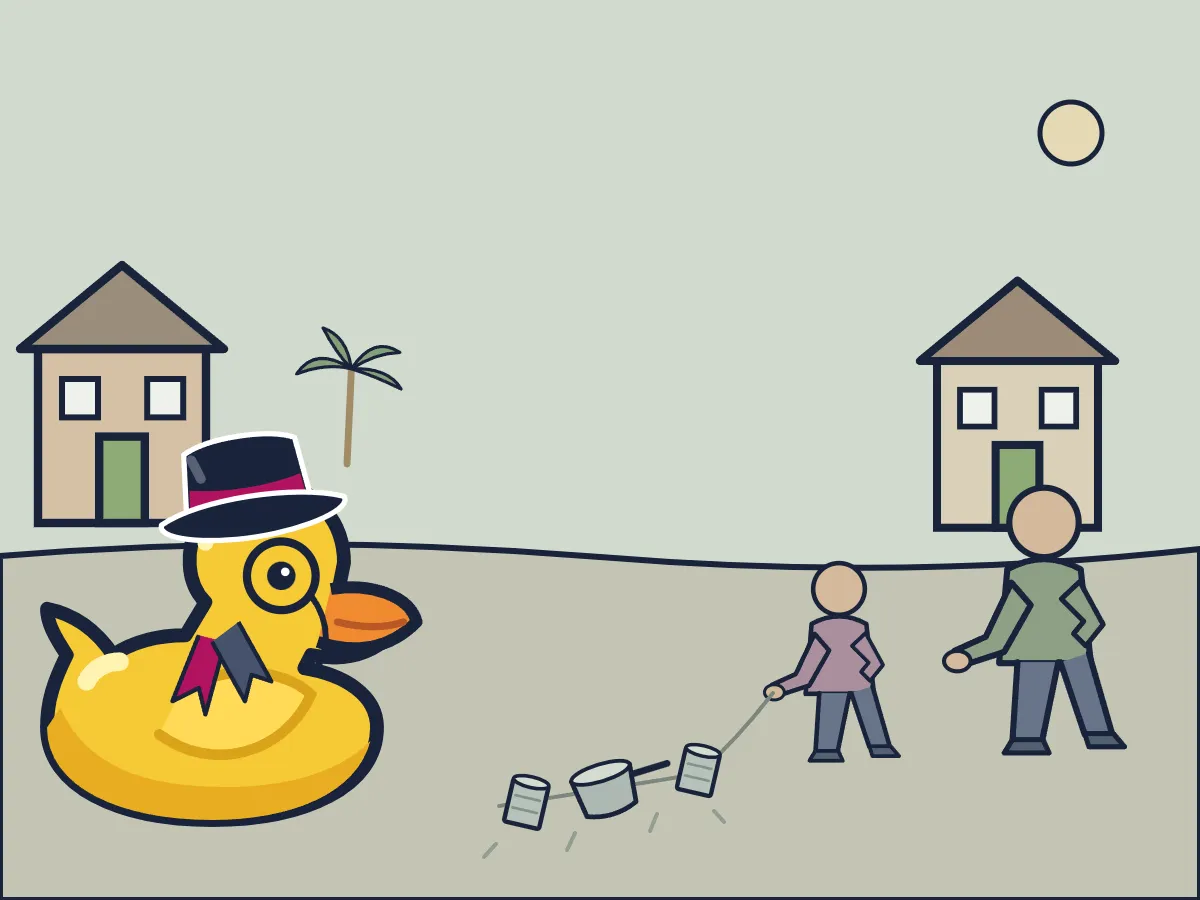
The Volatín represents Judas. A firecracker starts the action, and the dummy is made to turn and tumble until it comes apart. The combination of a recognisable figure, sudden sound and physical comedy makes the meaning legible even to a visitor who cannot understand every word spoken in the square.
Tudela’s own tourism page places this ceremony at Plaza de los Fueros on Holy Saturday. It is part of the city’s Holy Week observances, so expect the wider religious setting to matter alongside the theatrical moment. Explain the dummy and firecracker beforehand if watching with children who might otherwise find its movement or noise unsettling.
The Descent of the Angel
For the Sunday ceremony, the child performer is lowered in a harness towards the veiled image of the Virgin. Removing the mourning veil is the essential gesture: the child’s movement turns a theological idea into something the whole square can see. Watch for that exchange rather than treating the descent simply as an aerial stunt.
The national tourism account traces the custom to the Middle Ages and identifies it as a celebration of National Tourist Interest. The central role belongs to a selected child, supported by an organised ceremonial team. Public spectators witness the action; this is not a children’s participation activity available to book during a holiday.
Times and the current programme
The official sources agree on the nature of the ceremonies but currently give different times for the Volatín. National tourism says 10am, while the city tourism description says midday. This guide therefore does not present either hour as the settled 2027 timetable. Ask Tudela’s tourism office or consult the final municipal programme before choosing your arrival time.
The city page also contains a broad 2026 Holy Week date range. That is historical context, not the dates of the 2027 pair. Use 27–28 March 2027 for the announced days and the new local programme for hours, surrounding processions, access instructions and any changes affecting the square.
Can I take part?
Plaza de los Fueros is the key public setting. Find out where the ceremonial action will be positioned and follow the organisers’ instructions about keeping the working area clear. A position with a view towards the action matters more than simply being somewhere inside the square. Arrive with time to orient yourself rather than expecting a reserved seat.
No spectator admission price or dedicated accessible viewing arrangement has been verified in the sources checked. If you need a particular space, contact tourism before travelling. Photography should leave room for other spectators and for the procession; the child performer and religious image are part of a community ceremony, not an invitation to enter the performance area.
Where to stay
Choose Tudela itself if attending both days. The municipal visitor-planning page links accommodation, street maps, public transport and parking information, so compare a room against the station and Plaza de los Fueros rather than selecting only by an approximate city label. The tourism office is itself at number 5 in the square, a useful place for programme enquiries.
A room close to the ceremonies can simplify two mornings, while a station-side stay may suit an early onward train. Ask about the actual approach during Easter processions and any vehicle restrictions if driving. Staying elsewhere in the Ribera adds a separate journey on both days; weigh that against the benefit of spending the intervening afternoon in Tudela.
The city beyond the square
Tudela’s tourism service describes Plaza de los Fueros as a meeting point between the old and modern city, and presents routes exploring its Jewish heritage and the Ebro landscape. Those routes help place the Easter ceremonies within a city with several layers of history. Choose a mapped route that fits the time available rather than wandering only around the performance location.
The Museo de Tudela occupies the Palacio Decanal, first built in 1477. Its associated cathedral visit includes the Romanesque cloister; outside, the sculpted Puerta del Juicio repays a careful look. Tourist access to the cathedral is subject to worship, a particularly relevant condition over Easter.
Practical bits
Getting there from the UK
Madrid offers one airport-and-rail approach to compare from Britain. Aena provides the airport’s Terminal 4 railway information; allow for the actual terminal of your flight and the transfer to the mainline departure station. Renfe publishes the Tudela–Madrid connection, so search the dated journey in the direction you need rather than relying on a sample departure time.
Tudela has its own railway station at Plaza de la Estación del Ferrocarril. That makes a city stay possible without a car, subject to finding suitable trains and arranging the last stage to your accommodation. Easter services and availability require a fresh check. Avoid booking the return so close to Sunday’s ceremony that a short delay would force you to leave before the veil is removed.
Access and families
The station’s Renfe information includes accessibility and assistance resources, but station assistance does not establish access to the crowded square. Ask the city about the chosen viewing position, the approach from a drop-off point and nearby facilities. The event sources checked do not specify a step-free platform or a reserved family area.
The two ceremonies offer different experiences for younger viewers: the Volatín includes a firecracker and a disintegrating dummy, while Sunday involves a child suspended above the crowd. Explain both in simple terms and choose a place from which your group can leave comfortably. A quiet city visit between the ceremonies may suit a family better than filling every hour with another procession.
Plan your trip
Stay the night
We earn a commission if you book through these links, at no extra cost to you.
Search places to stay in and around Tudela for 27–28 March 2027.
Find a place to stay on Booking.com (affiliate link)Plan the journey to Tudela
A UK flight to Madrid can be combined with Renfe’s Tudela rail connection. Check the airport terminal transfer and Easter train timetable, then use Tudela’s visitor map for the final approach to Plaza de los Fueros.
Booking.com links are affiliate links. What that means.
Where it is
Approximate town/area marker for Tudela. Not a verified event entrance, viewing place or complete course.
The map pin for El Volatín and the Descent of the Angel marks an approximate area. Open in OpenStreetMap
Photos: Zarateman via Wikimedia Commons (resized). Licences and links on our photo credits page.
Stay on: the day before and after
Arrive on Friday if possible, leaving time to locate the square, check the programme and visit the cathedral museum before the main pair. The museum publishes opening and admission information, and notes that its pedestrian-zone location requires approaching on foot. Check Easter arrangements directly rather than assuming ordinary hours apply.
Between the Saturday and Sunday ceremonies, consider the Museo Muñoz Sola, whose own cultural service explains the painter’s collection and his connection with Tudela. For a day after the celebrations, select a city heritage route or an Ebro-side outing from municipal tourism information. Bardenas is a separate excursion with its own access planning; it need not be squeezed into the same morning as the angel.
Odd things nearby
- Cipotegato 13 miles away, 27 August 2027
- Paso del Fuego and Las Móndidas 32 miles away, 23–24 June 2027
- Zaragoza Giants and Big-Heads 47 miles away, October 2027 — giants’ parade programme not yet announced
Also in March
- Chalandamarz in Bever Bever, Engadin, Switzerland
- Otepää Sauna Marathon Otepää, Estonia
- Vardø Yukigassen Snowball Tournament Vardø, Norway
- Dansa de la Mort Verges, Spain
About this guide
For El Volatín and the Descent of the Angel, check before you go. For El Volatín and the Descent of the Angel, checked 16 November 2026. National tourism announces 27–28 March 2027. Saturday hours conflict between national and municipal descriptions (10am versus midday), so no time is adopted pending the final local programme. No visitor performance roles or event access facilities are assumed.
About the date. For El Volatín and the Descent of the Angel, next edition confirmed by the official source; checked 22 November 2026. https://www.spain.info/en/calendar/volatin-angel/
For El Volatín and the Descent of the Angel, researched from the sources below and last checked on . For El Volatín and the Descent of the Angel, we haven’t visited every event or tested every journey, and the organiser’s own information always wins.
- National tourism: 27–28 March 2027 and ceremony descriptions
- Tudela tourism: Holy Week and local ceremony description
- Tudela tourism: city context and routes
- Tudela tourism: accommodation, maps and transport
- Museo de Tudela: Palacio Decanal
- Museo de Tudela: cathedral and Puerta del Juicio
- Museo de Tudela: visits and pedestrian approach
- Tudela Cultura: Museo Muñoz Sola
- Renfe: Tudela station and assistance information
- Renfe: Tudela–Madrid rail connection
- Aena: Madrid airport railway connection
Have we got something wrong about El Volatín and the Descent of the Angel? Report an issue with El Volatín and the Descent of the Angel.
Winter edition: last checked 22 November 2026
Next edition confirmed by the official source; checked 22 November 2026. https://www.spain.info/en/calendar/volatin-angel/
Official event and date information
Why do they do it?
The paired Easter customs make the movement from betrayal and mourning to the joy of the Resurrection visible through a dummy representing Judas and a child angel removing the Virgin’s black veil.
Spectator practicalities
A UK flight to Madrid can be combined with Renfe’s Tudela rail connection. Check the airport terminal transfer and Easter train timetable, then use Tudela’s visitor map for the final approach to Plaza de los Fueros.
Check the current programme for arrival and finish times. Keep entrances and the event route clear; ask a steward where to stand if the viewing area changes. A last return service for this edition must be checked before travelling.
Where to stay
Accommodation searches and bases for El Volatín and the Descent of the Angel. Confirm the event date before booking; undated searches do not confirm an event edition.